
Dyno Tuning
Dyno tuning, or dynamic optimization, is the process of tuning a motor to respond to variable loads using adjustable parameters. The primary goal of dyno tuning is to achieve optimal efficiency and power output in a wide range of operating conditions. This process is critical in internal combustion engines, where variations in load can significantly impact performance and fuel economy. By fine-tuning the engine parameters, like ignition timing and fuel injection, technicians can optimize the dyno settings for both performance and emissions. The ideal dyno setting for a motor varies depending on the type of equipment being used, the specific operating conditions, and the desired outcomes. Dyno tuning can be accomplished by trained professionals or even by enthusiasts looking to improve their own vehicle’dependent on its complexity.
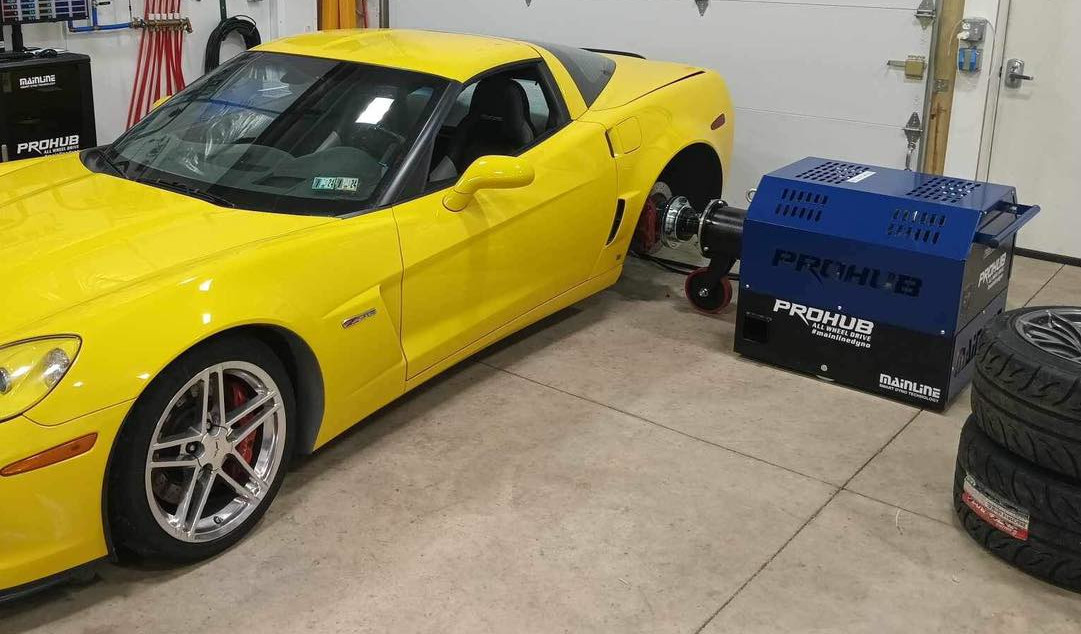
Our Tuner

Text about the type of tuner brand etc.
Our Process
Text about the dyno tuning process
Third Focus
I was thinking a couple of things for this one:
Our promise
Our pricing
Our guarantee
Our experience
Why Dyno Tune?
There are numerous reasons to consider dyno tuning for your vehicle:
1. **Maximize Power, Torque, and Efficiency**: Fine-tuning aeroinjection fuelling and ignition timing helps boost power under different operating conditions, offering the potential to optimize horsepower, torque, and fuel economy.
2. **Calibrated Tuning for Specific Ranges**: Tuning your car based on dyno maps helps identify the optimal operating ranges for each aspect of the system (fueling map, ignition timing map, etc.). It enables the vehicle’s components to work precisely at their most reliable and effective settings without compromising power.
3. **Predicting Performance**: Dyno tuning offers the ability to simulate actual road conditions, giving a realistic assessment of how the car performs on the road, which is essential for setting appropriate gear ratios and planning for long trips or city driving.
4. **Identifying and Addressing Fueling Issues**: A dyno helps to find balance in the dive (revving the revs too high) and top end throttle response issues by revealing problems such as leaks or fueling inconsistencies.
5. **Isolating Issues for Future Tuning**: Since a dyno tuning session can isolate specific issues – whether from air/fuel mixtures, ignition timing, or turbocharged systems – they can be addressed and corrected individually.
6. **Diagnostic Benchmarking**: Using the dyno, you can compare the vehicle’s base settings with aftermarket tuning settings to assess the difference in performance. This aids you in understanding the influence of the tuning changes made by others.
7. **Custom Fueling Settings**: Dyno tuning helps in determining more fuel-efficient mix ratios and customized settings that may not be apparent from on the road testing.
8. **Turbocharged Vehicle Tuning**: Dyno tuning can improve the interplay between the turbocharged components of the engine, allowing for a more reliable and more responsive performance at both low and high RPMs.
9. **Legal Compliance and Emissions**: Ensuring the vehicle adheres to emissions regulations by verifying fuel maps and ignition timing fall in legal parameters, which is crucial especially for street use of performance-tuned cars.
10. **Safety and Aid**: Dyno tuning allows for a safer tuning process away from the public roads, reducing the risk of harm to other motorists due to power spikes or mechanical failures during the tuning process.
Doug’s Thoughts on Dyno Tuning